About the Author
A trial lawyer who cannot see color puts AI on the stand and asks all of us to keep judgment awake.
Kathleen C. Thompson was born unable to see color.
Not colorblind in the casual way people usually mean it. She does not confuse red and green. She does not see color at all.
So language became her color.
It became how she moved through the world. How she learned to trust pattern, inference, tone, texture, memory, and witness. How she built a life in rooms that assumed everyone could see what she could not.
And eventually, it became how she made a record.
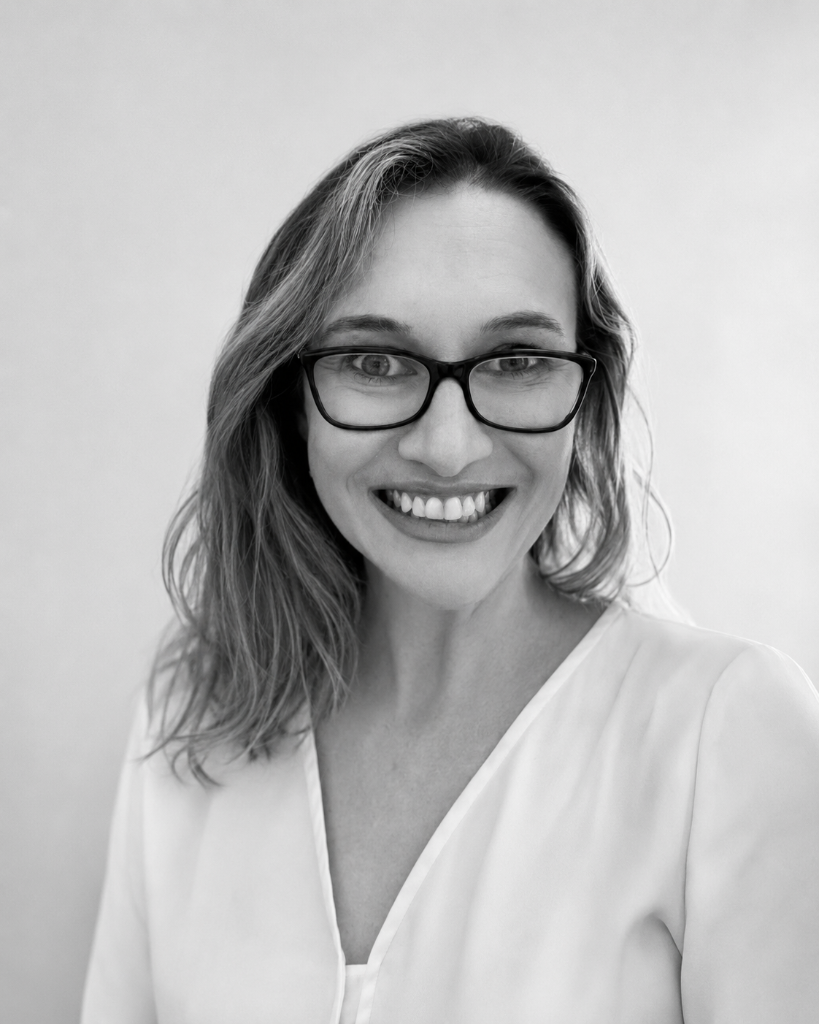
Kathleen C. Thompson
Kathleen C. Thompson is a Kentucky trial lawyer, former federal prosecutor, personal injury attorney, mother, and author of A Trial of Color: Making the Case for Human Judgment in an AI-Accelerated World.
Born with achromatopsia, she cannot see color. A lifetime of translating a visual world into language trained her to notice what rooms assume before anyone says the rules out loud.
That way of seeing became her work.
As a prosecutor and trial lawyer, she learned how to build records around harm other people could not immediately perceive. After a prolonged, recursive engagement with conversational AI accelerated a psychiatric crisis, she recovered, accepted a bipolar diagnosis as part of the record, and went back through her own transcripts like evidence.
She reviewed the legal case.
She chose not to file it.
Instead, she sent pre-publication notice to the companies and built the book as a trial: part memoir, part legal proceeding, part public-interest inquiry, and part method for preserving human judgment in an age when language itself has changed speed.
She lives in Louisville with her husband, Nick, and their daughter, Daphne.
Law
Kathleen has spent her career turning invisible harm into evidence. As a former federal prosecutor and trial lawyer, she understands records, causation, proof, credibility, testimony, and the difference between a story and a case.
Disability
Achromatopsia is not decorative metaphor in this work. It is the origin of the method: a lifetime of translating perception into language, turned toward a technology made of language.
Recovery
The book does not deny diagnosis. It refuses to let diagnosis end the inquiry. Kathleen accepts the bipolar label as part of the record while asking what the surrounding environment — including prolonged AI engagement — may have shaped, sped, or made feel real.
"Language is my color."
"I built it, labeled it, bounded it, and walked back out. That is the difference."
"I do not dispute the label. I will not let it close the case."
"She did not sue. She sent the record."
"The machine generates possibilities. The human renders judgment."
Appalachian-raised and Louisville-based, Kathleen learned early to listen closely, distrust easy answers, and find the argument beneath the surface.
Color remains a rumor.
Curiosity remains her baseline.
And language — mercifully, dangerously, beautifully — remains the room where she works.

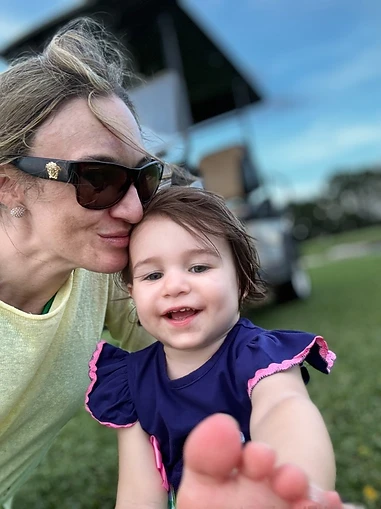
For those tiny toes. May they always know the difference between information and experience. — Read the essay
This book began with one person's record.
It did not stay there.
A Trial of Color asks what happens when a vulnerable human mind meets machine-speed language over time: not one bad answer, not one screenshot, but an encounter.
It asks what law should preserve.
What clinicians should ask.
What designers should build.
What parents and educators should teach.
And what readers should refuse to decide too quickly.
Kathleen C. Thompson developed the Full Color Method, a five-movement framework for examining machine-generated language while preserving human judgment.
For a fuller account of achromatopsia — what Kathleen sees, how she learned to move through a world that assumed everyone saw the same things, and how a lifetime of translation shaped the lawyer who entered the AI encounter — read the dedicated essay.
Kathleen continues the questions raised by A Trial of Color through The Refraction Point.
The publication lives in two places: as a permanent essay archive within this website and as a continuing docket delivered directly to readers on Substack.
Most essays appear in both rooms. Some do not.
Begin with Post 00 — Why I Call It The Refraction Point for the foundational explanation of the name.
Language became her color.
Some things arrive as argument.
Some arrive as testimony.
And some refuse prose entirely.
Not-So-Secret Poetry is a quieter part of the record — a collection of poems about perception, motherhood, law, rupture, recovery, technology, and the strange ways a life becomes language.
The poems do not explain those experiences.
They refract them.
For interviews, review copies, speaking, CLE, permissions, or professional inquiries, use the Contact page.